Water upgrades should make everyday routines more dependable: a shower that holds its temperature, a laundry area that works efficiently, and equipment that can be reached when service is needed. Begin with the source, demand, and existing connections.
Describe the actual inconvenience
Is the concern low flow, a long wait for hot water, changing temperature, mineral deposits, or a leak risk? Those symptoms do not all have the same cause. Note which outlets are affected and whether simultaneous use changes the result. Existing pipe routes, valves, supply pressure, drainage, and equipment condition shape a useful assessment.
Choose treatment for a defined concern
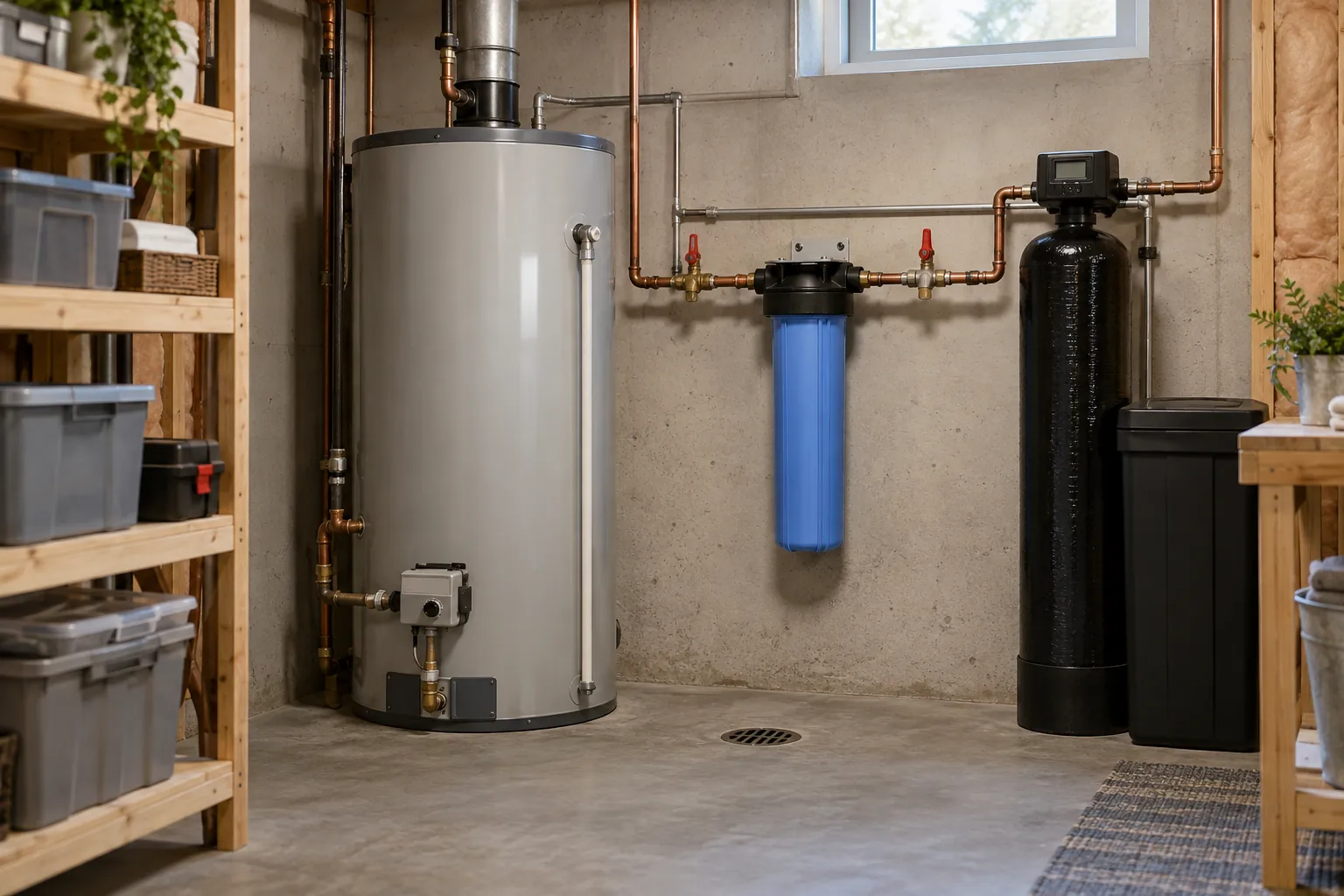
Health Canada distinguishes treatment technologies and certification claims. A filter intended to improve taste is not automatically appropriate for a different contaminant. Testing or the relevant water-quality information should guide selection. Discuss rated flow, replacement consumables, bypass arrangements, wastewater where relevant, and the space needed to maintain the selected equipment.
Plan hot water around demand
Rinnai’s sizing guidance links available hot-water flow to temperature rise and simultaneous demand. Storage, tankless, and circulation approaches have different implications for space, power or fuel, controls, and delivery time. A distant tap may still take time to warm even with a new heater. Ask the provider to explain the entire delivery arrangement.
Protect access and finished rooms
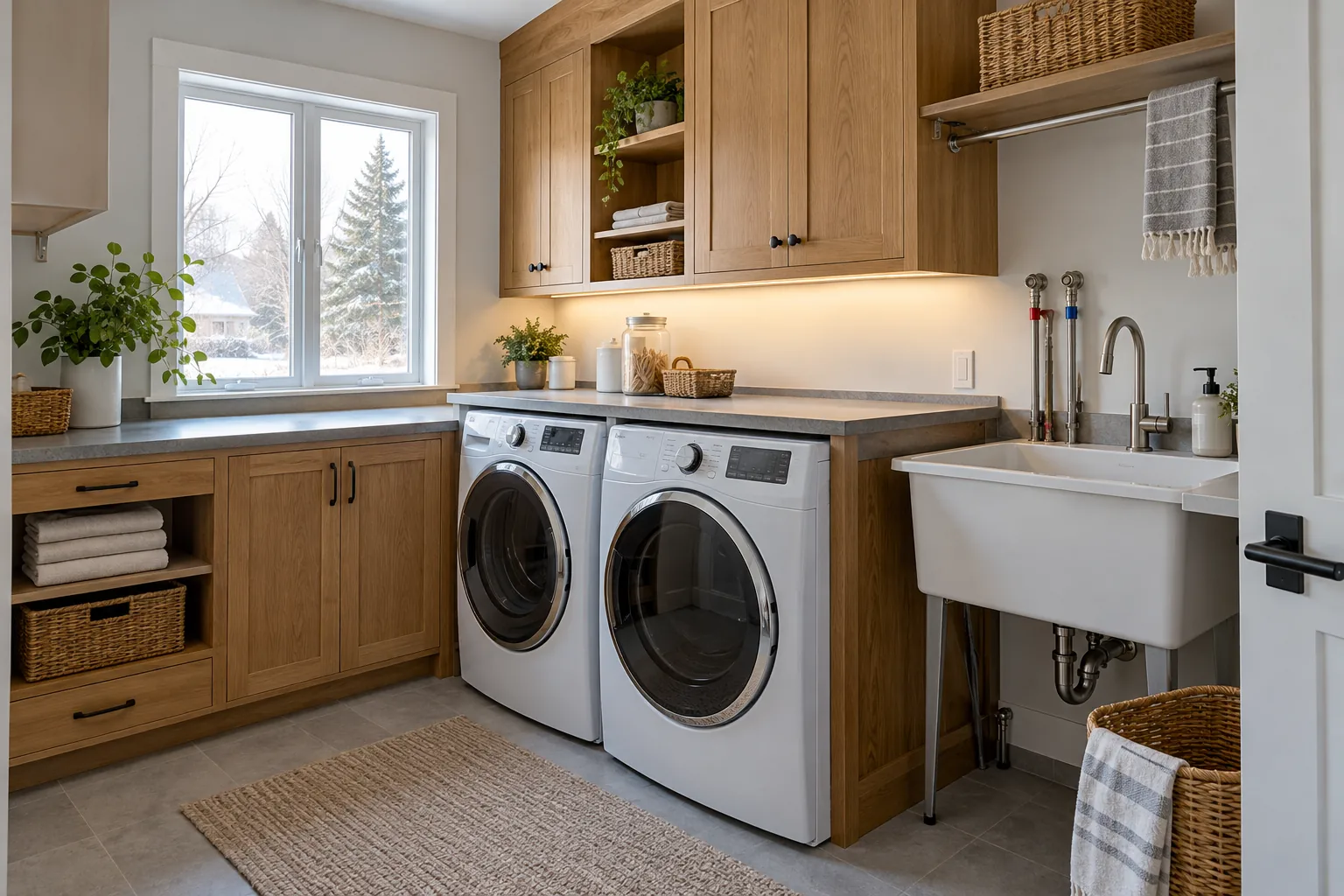
Laundry and utility improvements often involve cabinetry, appliance clearances, ventilation, shutoffs, drainage, and leak detection together. Confirm which finishes need opening and how they will be restored. Ask HAUSE for a coordinated brief that records the intended use, existing equipment, service access, and a practical demonstration of valves, controls, and any alerts at handover.
Details to bring into the conversation
- Treatment selection needs a specific water concern and appropriate evidence.
- Do not conceal dampness or a recurring leak behind new joinery.
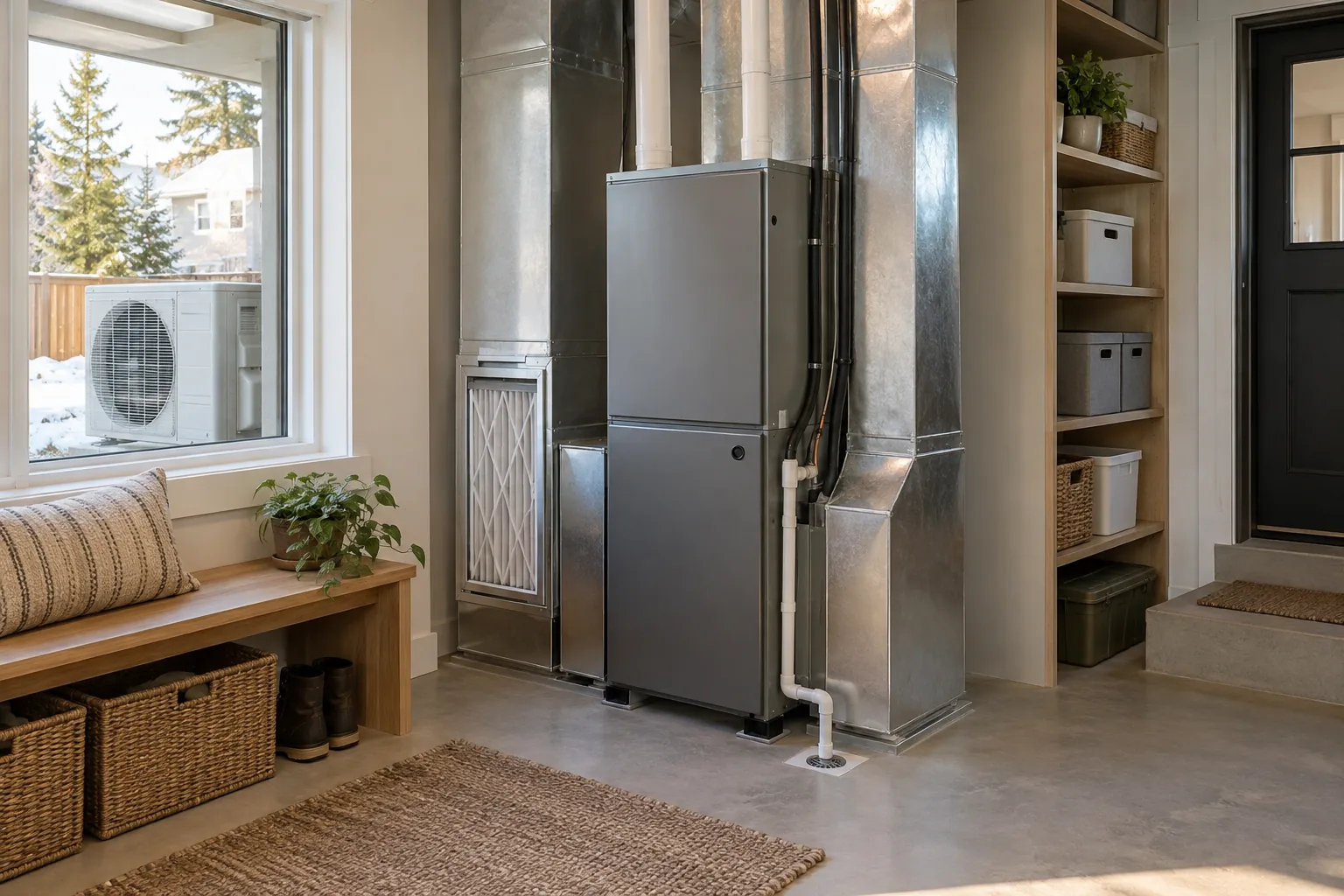
- Confirm electrical, fuel, ventilation, and drainage implications before purchasing equipment.