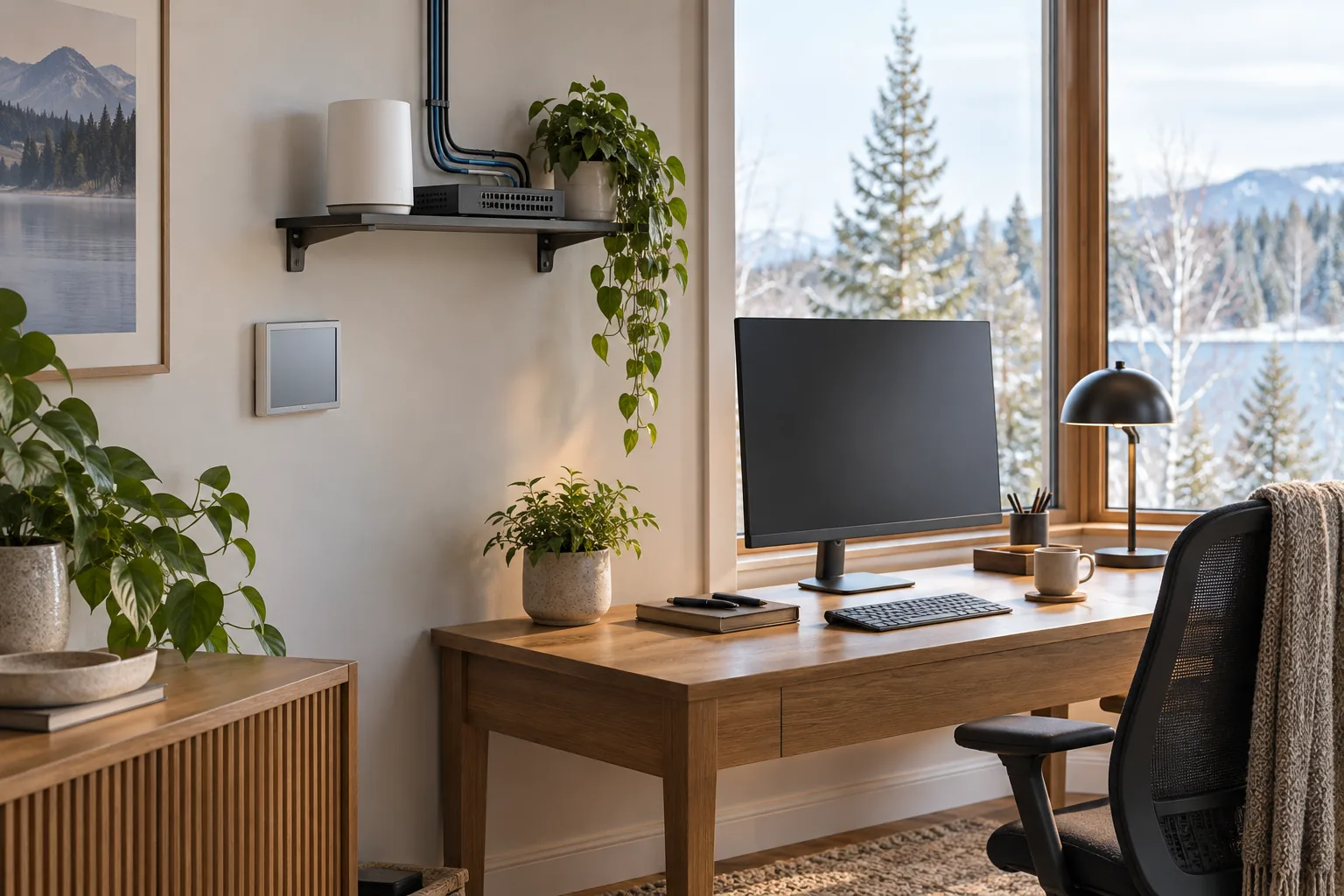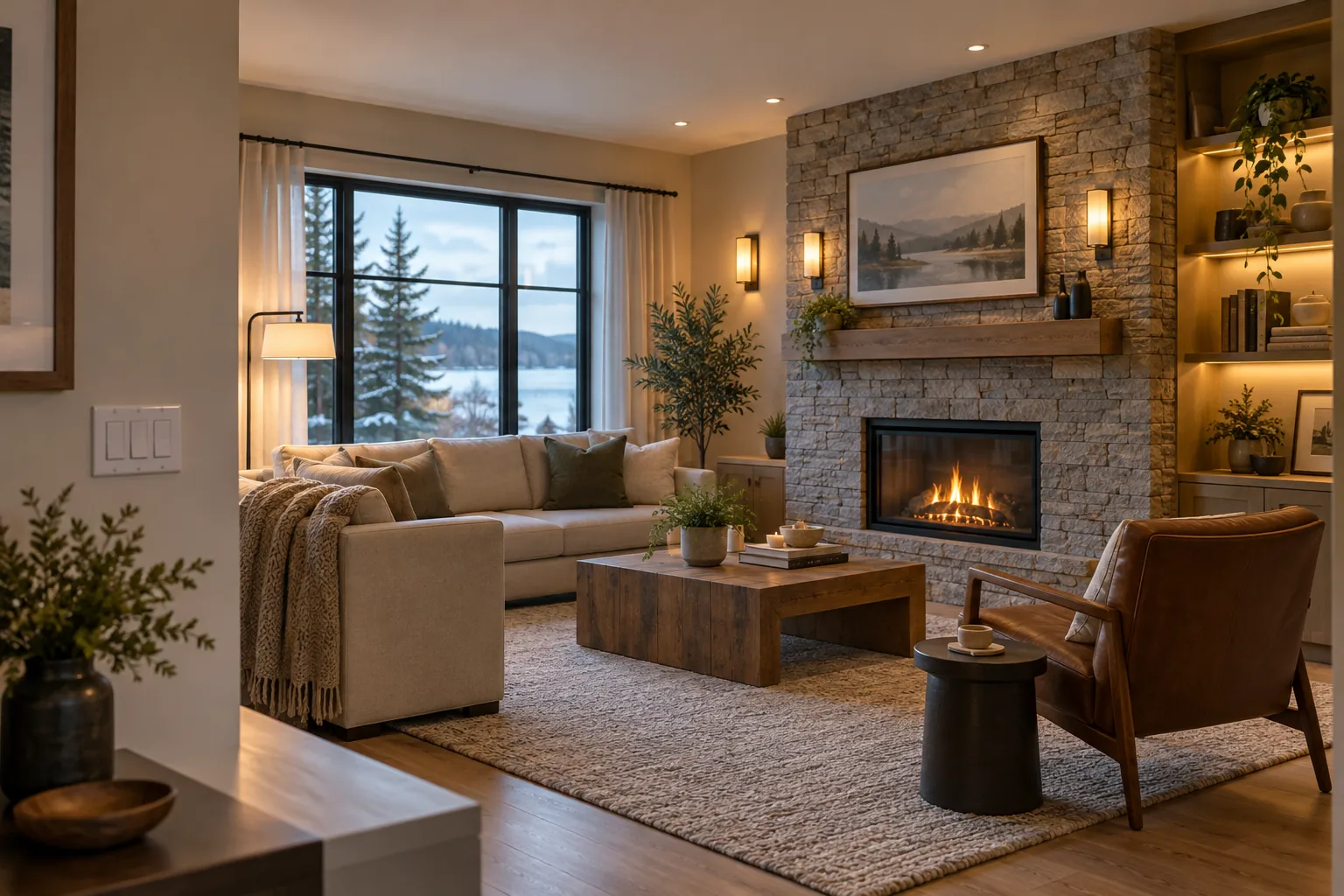
Good lighting makes a room easier to work in, calmer to relax in, and more comfortable to move through after dark. Electrical upgrades should support those activities with appropriate circuits, controls, and dependable compatibility.
Design around the activity
Start with what your eyes need to see: a knife on the worktop, a face at the bathroom mirror, a stair edge, or a book beside a chair. General brightness alone rarely solves all four. A useful plan combines task, ambient, and accent light while considering glare, shadows, surface reflectance, and the position of the person using the space.
Treat controls as part of the system
Dimmers, lamps, drivers, and smart controls must work together. Lutron’s guidance explains why neutral availability can affect control selection; the appropriate choice also depends on the connected load and manufacturer compatibility. Decide whether a wall switch, scheduled scene, occupancy response, or simple manual control best serves each room. Essential lighting should remain understandable to visitors.
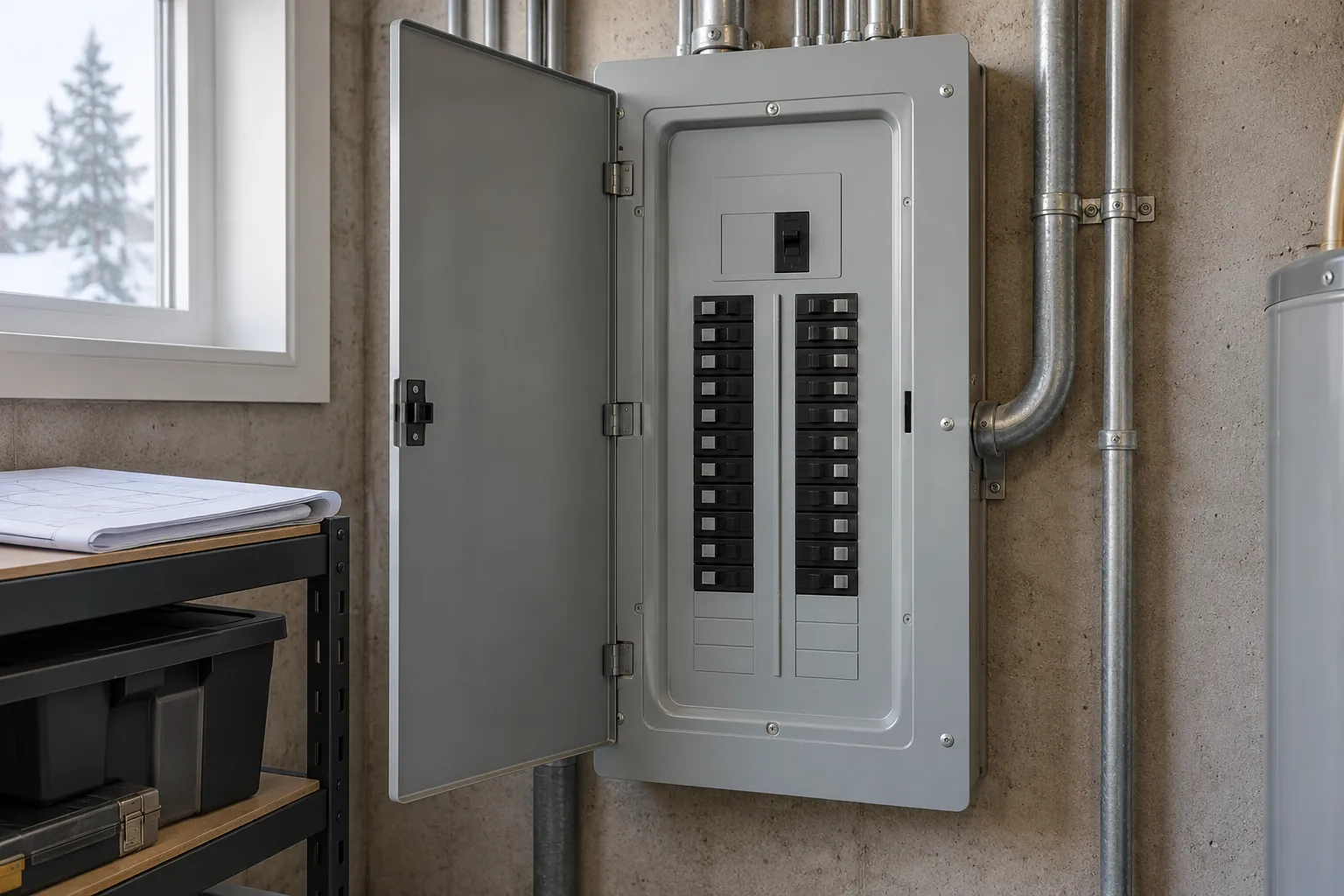
Check capacity before adding demand
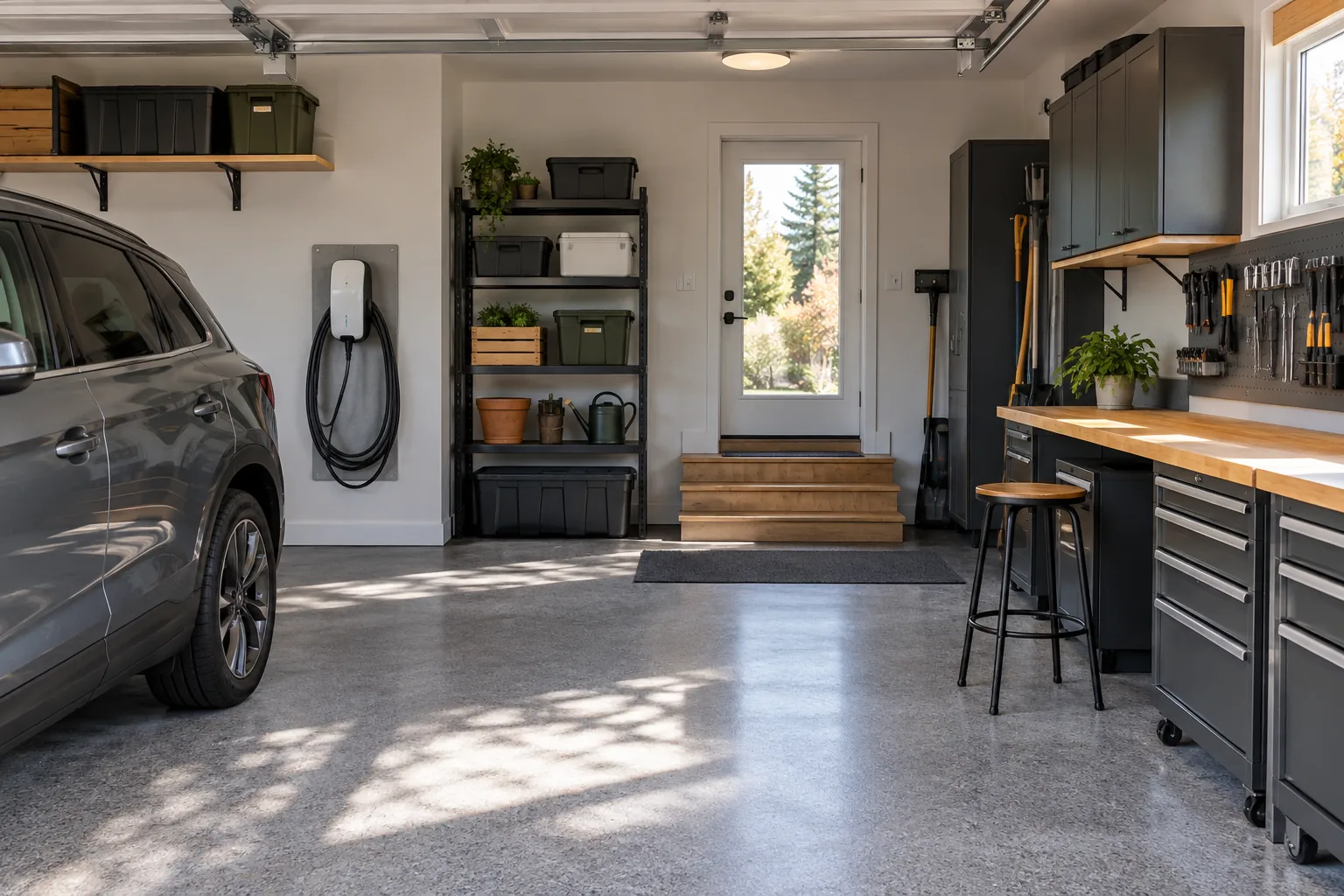
New charging, cooking, heating, and workspace equipment can change the electrical plan. An electrician can assess available capacity, circuit arrangements, equipment requirements, and any applicable approvals. Describe planned future loads now so an attractive finished wall does not conceal an avoidable second round of work.
Specify a convincing finish
Ask HAUSE to build a brief that includes fixture positions, colour appearance, control locations, cable concealment, and the intended lighting scenes. Handover should demonstrate dimming at low levels, sensible switching, and everyday operation. The best outcome feels natural in use, rather than requiring everyone to learn an elaborate routine.
Details to bring into the conversation
- Existing wiring conditions can change the suitable control or fixture.
- Confirm who supplies fixtures and who checks compatibility before ordering.
- Avoid promising a particular energy saving without a measured baseline.