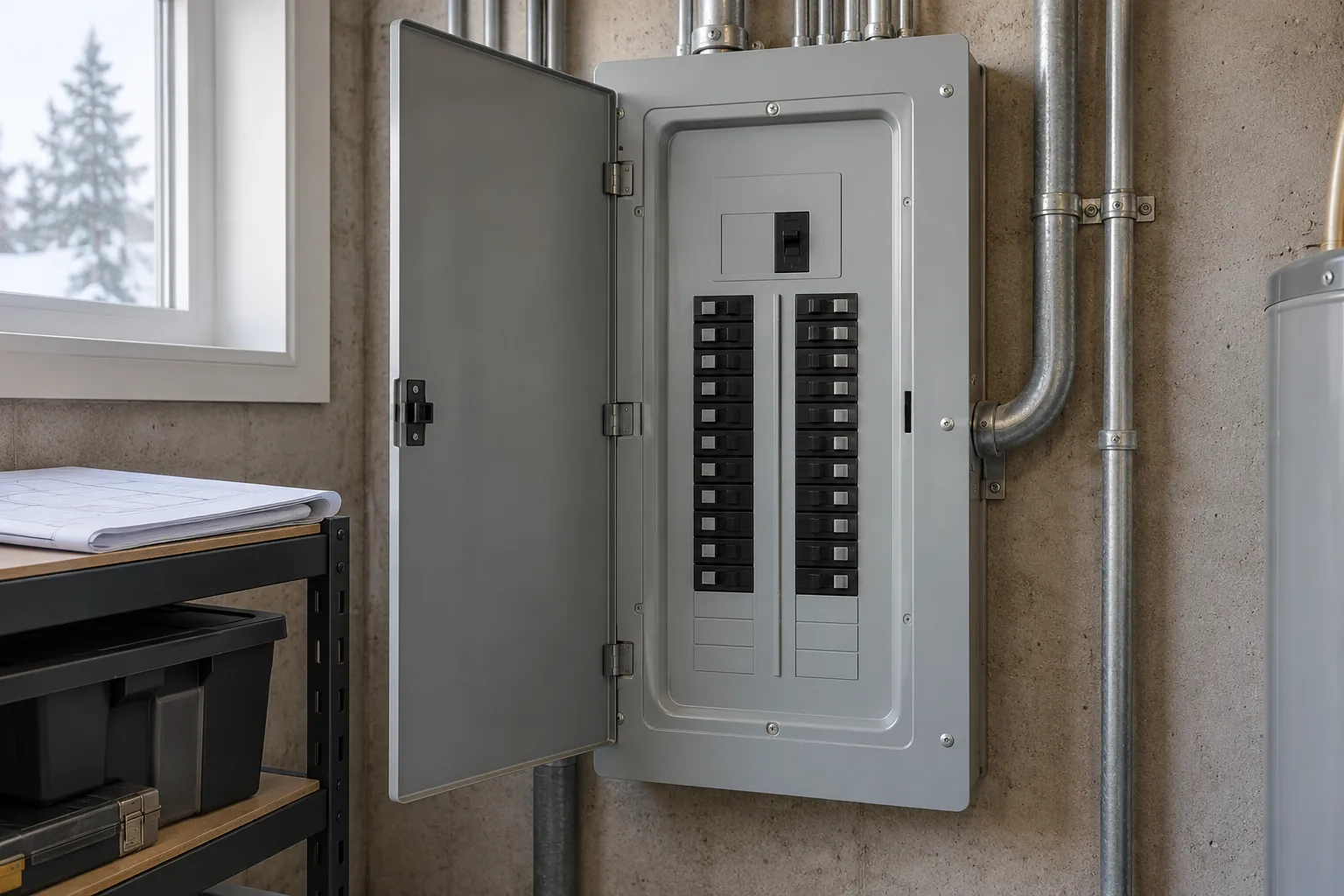
Add a considered layer of surge protection to an existing electrical system, with device selection and coordination reviewed by an electrical professional.
Assess the existing conditions
Record the supply arrangement and equipment you want to protect, including existing point-of-use devices. Ask the provider to assess panel compatibility and the electrical system rather than treating a single product as complete protection.
Choose the complete system
Compare the selected device's application, status indication and replacement requirements. Protection at different locations may serve different roles; clarify the intended scope without assuming every electrical disturbance is a surge.
Plan the connected work
Coordinate installation access and any outage, then document product details and how to recognize a changed status. Keep the limits of the proposal explicit alongside the equipment it is intended to serve.
What shapes the scope?
- Existing panel and supply arrangement
- Selected protection application and compatible equipment
- Installation access and any outage coordination
- Status monitoring and replacement documentation
What should be checked?
- Installed equipment and status indication are demonstrated
- Product and electrical completion records are retained
- Household understands what the proposal does and does not cover
Questions worth asking
Will this prevent every electrical failure?
No. Surge protection is not a remedy for all wiring faults, outages or voltage problems.
Do plug-in protectors become unnecessary?
Ask the electrical provider how the chosen arrangement coordinates with point-of-use protection for sensitive equipment.
Bring the details together.
Add this service to My project. Tell HAUSE what you have, what you want to achieve and where the work is needed. A clearer brief makes it easier to discuss the right assessment, responsible trades and written scope.
Build my project brief ↗