Improve an existing home's fresh-air strategy by coordinating equipment, distribution and controls with occupancy and moisture conditions.
Assess the existing conditions
Record condensation, odours, room use and the existing ventilation arrangement. Ask the mechanical provider to assess actual airflow paths and interactions with heating and exhaust equipment.
Choose the complete system
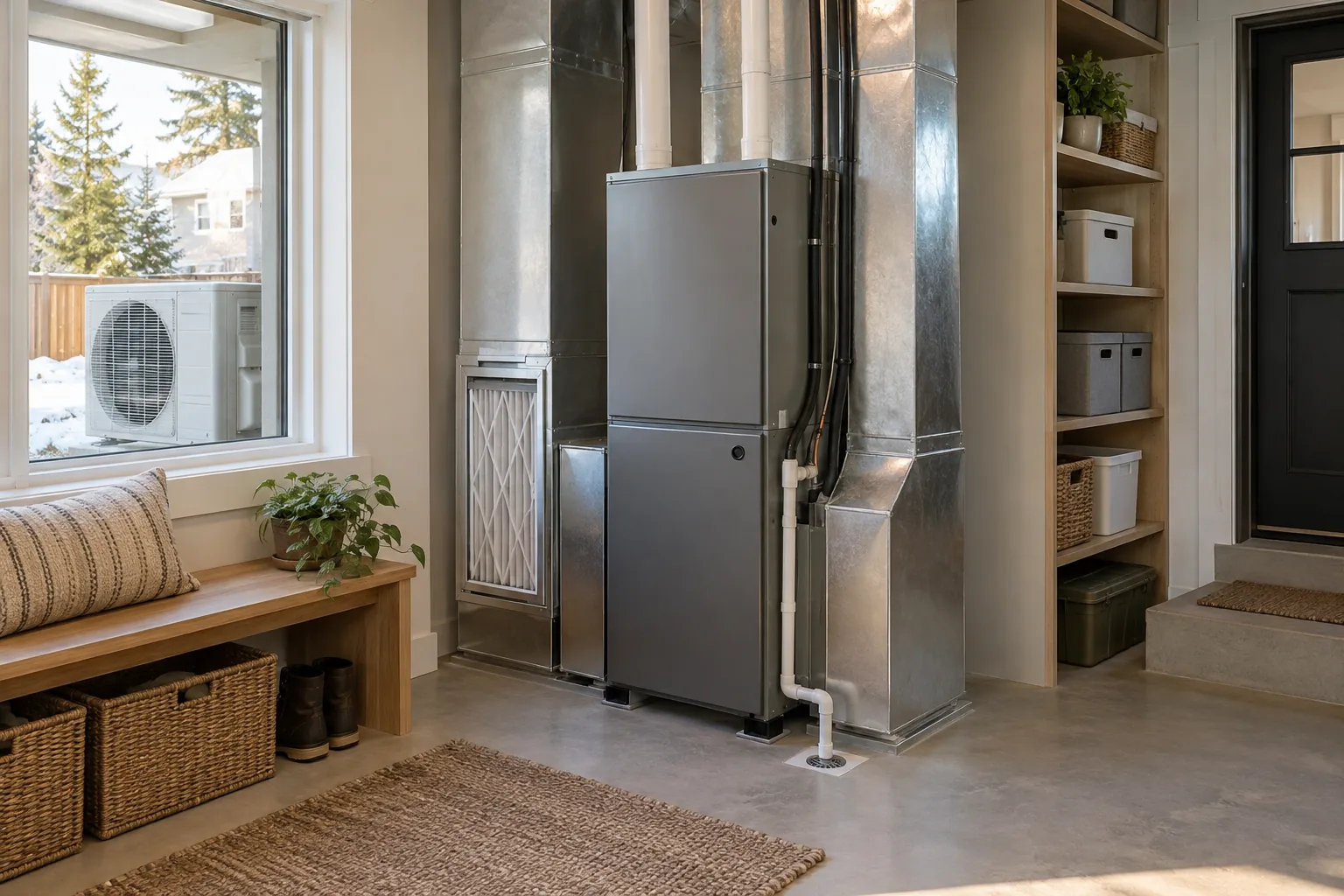
Compare HRV or ERV options for the climate and household, including frost behaviour, controls and service access. Heat recovery does not remove the need for a properly designed supply and exhaust arrangement.
Plan the connected work
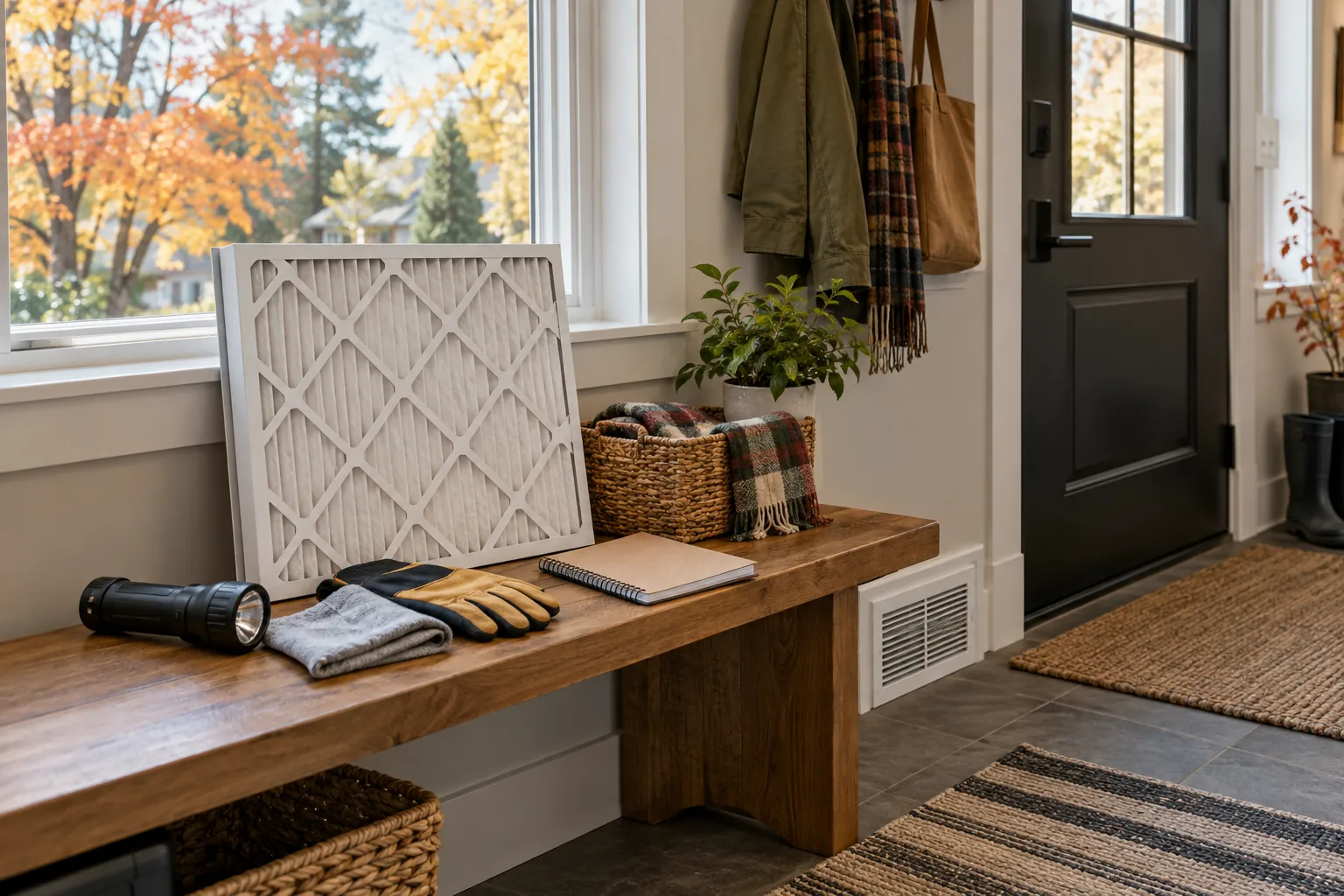
Coordinate ducts, penetrations and electrical work before finishes. Request balancing or commissioning records, filter access and a demonstration of everyday and higher-demand operating modes.
What shapes the scope?
- Occupancy and existing ventilation assessment
- Equipment and duct-distribution requirements
- Penetrations, electrical work and control integration
- Balancing, commissioning and maintenance access
What should be checked?
- Supply and exhaust arrangement matches the documented design
- Operating modes and controls are demonstrated
- Commissioning and care records are retained
Questions worth asking
Will replacing the box fix poor bedroom ventilation?
Not necessarily. Distribution and air-transfer paths may still limit performance.
Should ventilation stop to save heat?
Discuss an appropriate operating strategy with the provider; heat recovery is intended to support useful ventilation, not eliminate it.
Bring the details together.
Add this service to My project. Tell HAUSE what you have, what you want to achieve and where the work is needed. A clearer brief makes it easier to discuss the right assessment, responsible trades and written scope.
Build my project brief ↗