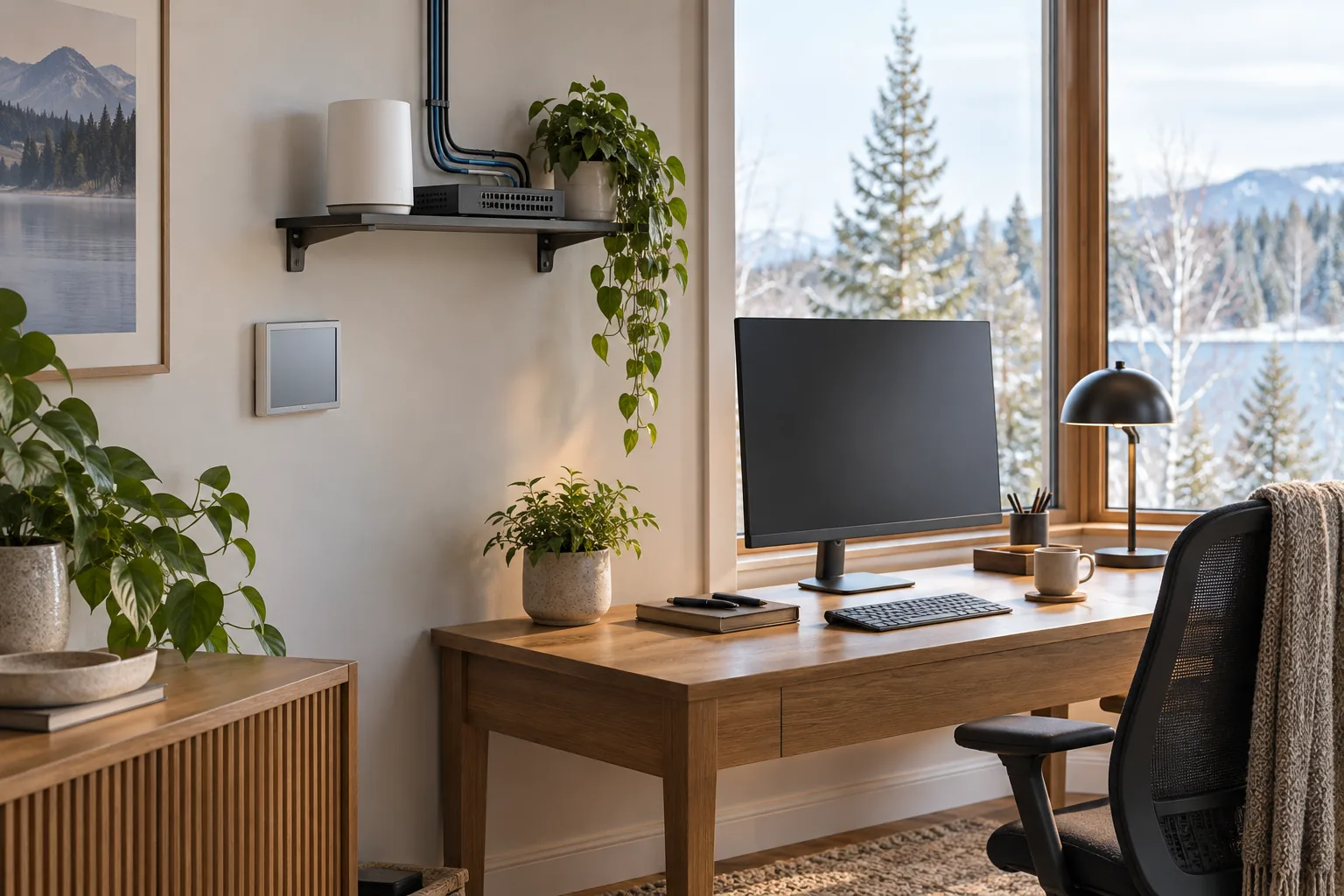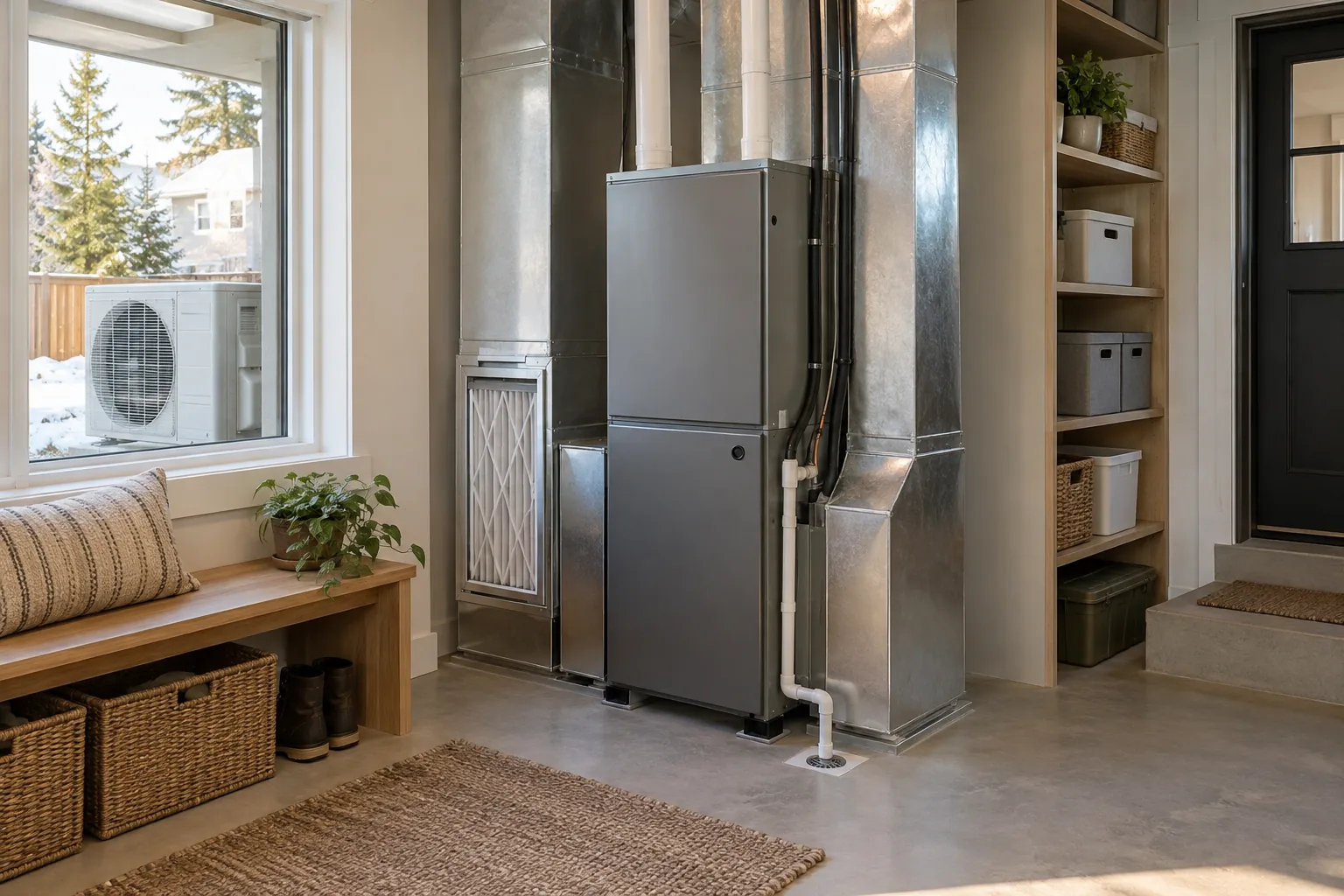
Base radon decisions on an appropriate measurement and a professionally defined mitigation plan for the existing home.
Assess the existing conditions
Arrange testing that follows current Health Canada guidance. It recommends a long-term home test of at least three months; a brief reading or a neighbouring property's result does not establish this home's average condition.
Choose the complete system
If results indicate action, compare a qualified provider's proposed mitigation arrangement, routing and monitoring. The Canadian guideline is 200 Bq/m³, but the professional should explain the findings and next steps in their full context.
Plan the connected work
Coordinate access, electrical work and weather-sealed penetrations where needed. Request completion testing and an understandable monitoring and retesting plan, with the system kept accessible for care.
What shapes the scope?
- Testing method and assessment of results
- Home construction and proposed mitigation route
- Electrical, access and finish restoration needs
- Verification, monitoring and follow-up arrangements
What should be checked?
- Measurement and mitigation records identify the actual home
- System operation and monitoring are demonstrated
- Verification and future testing guidance are supplied
Questions worth asking
Can an air purifier solve radon?
Do not treat ordinary particle filtration as a radon mitigation design. Discuss the measured result with an appropriate specialist.
Can the system be hidden completely?
Appearance can be considered, but monitoring, service access and the designed air route must remain practical.
Bring the details together.
Add this service to My project. Tell HAUSE what you have, what you want to achieve and where the work is needed. A clearer brief makes it easier to discuss the right assessment, responsible trades and written scope.
Build my project brief ↗