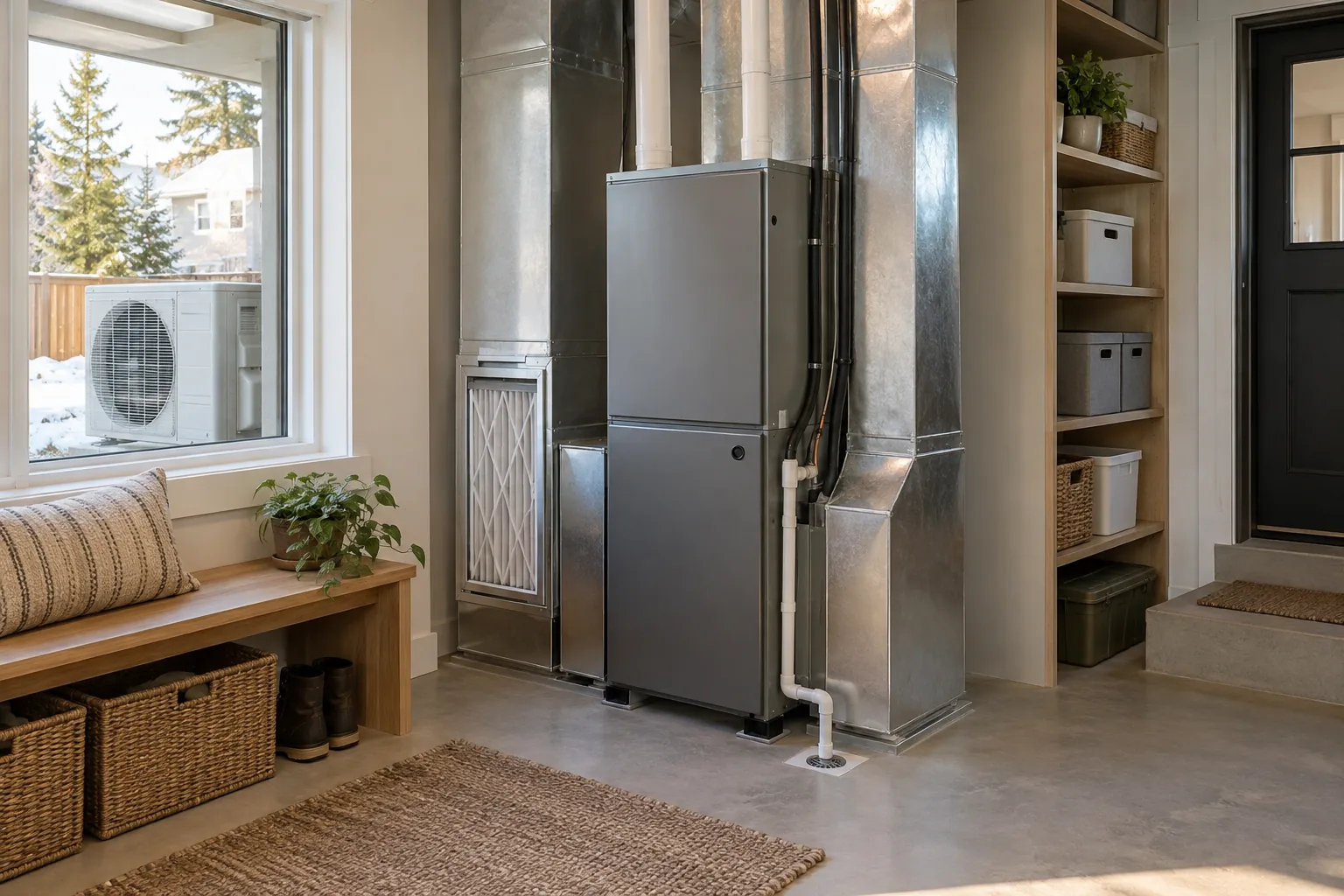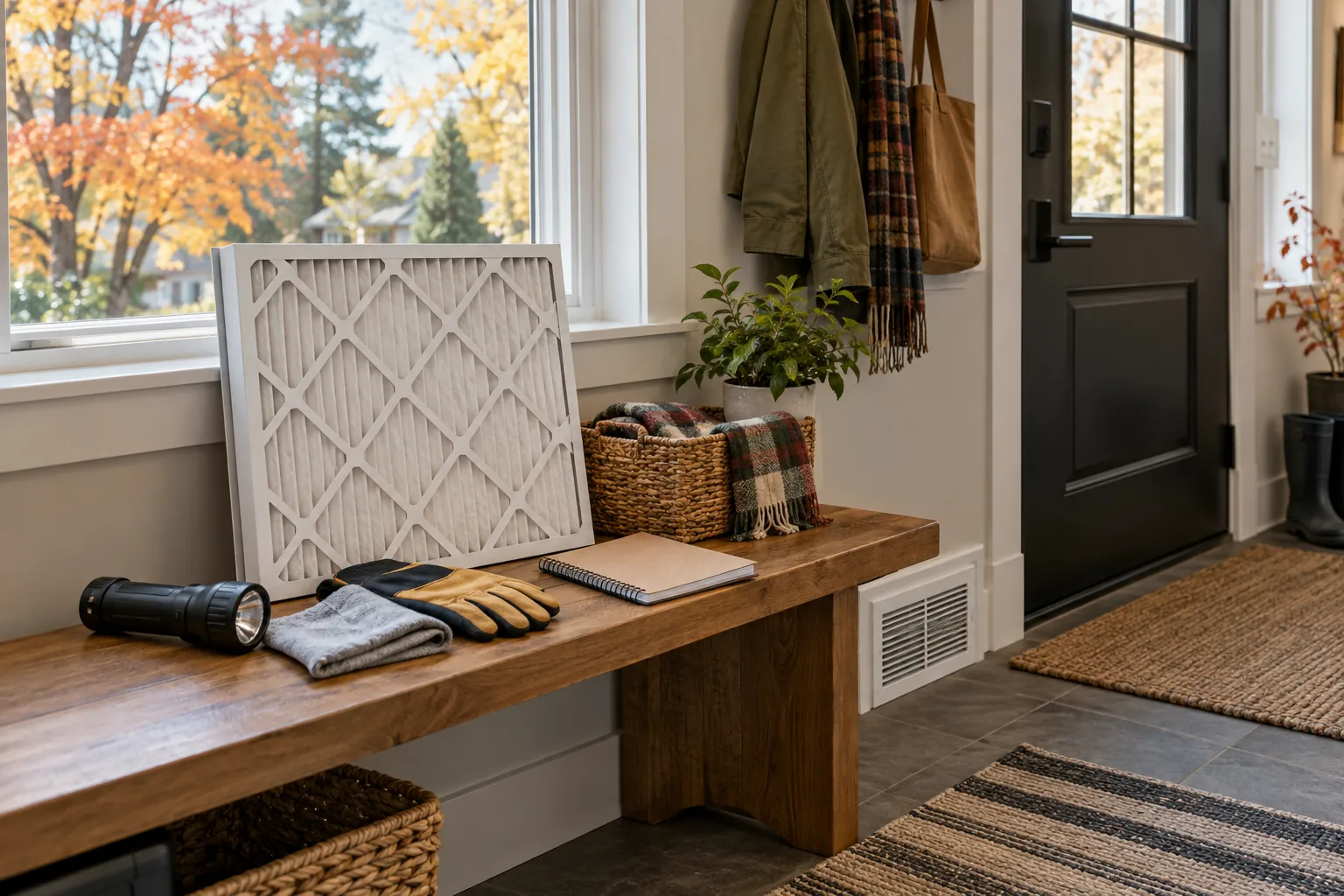
Air quality, safer circulation, and acoustic comfort are experienced every day, even when their causes are hidden. A useful upgrade identifies the source of the problem, the pathway through the home, and a practical way to verify improvement.
Separate different concerns
Stale air, cooking odours, dampness, radon, combustion pollutants, and noise require different assessments. A fragrance or a higher filter setting cannot solve all of them. Record where and when the issue appears, which equipment is operating, and whether weather or closed doors change it. This context gives the provider a useful starting point.
Control the source and the pathway
Health Canada’s moisture guidance prioritizes correcting the cause of dampness. Ventilation guidance distinguishes fresh-air exchange from recirculation. Air filtration may be a useful part of a plan, but equipment compatibility and airflow matter. Discuss intake and exhaust locations, distribution, operating sound, controls, and access for the care the system will require.
Use evidence for hidden risks
Radon needs appropriate testing; it cannot be assessed by smell or appearance. Alarm planning needs the selected manufacturer’s instructions and the applicable local requirements. Acoustic improvements likewise depend on the whole assembly and paths around it, including doors and service penetrations. Avoid selecting a product solely from a headline rating.
Define a useful handover
Ask what will be tested, documented, or demonstrated after the work. That may include ventilation settings, alarm operation, a radon follow-up plan, or an agreed acoustic objective. HAUSE can help connect the problem to the right specialist scope and coordinate making good. The goal is a home that is easier to live in, with limitations explained clearly.
Details to bring into the conversation
- Recurring mould or combustion concerns need appropriate professional assessment.
- A filter does not replace outdoor-air ventilation.
- Do not promise a measured health or sound outcome without suitable verification.