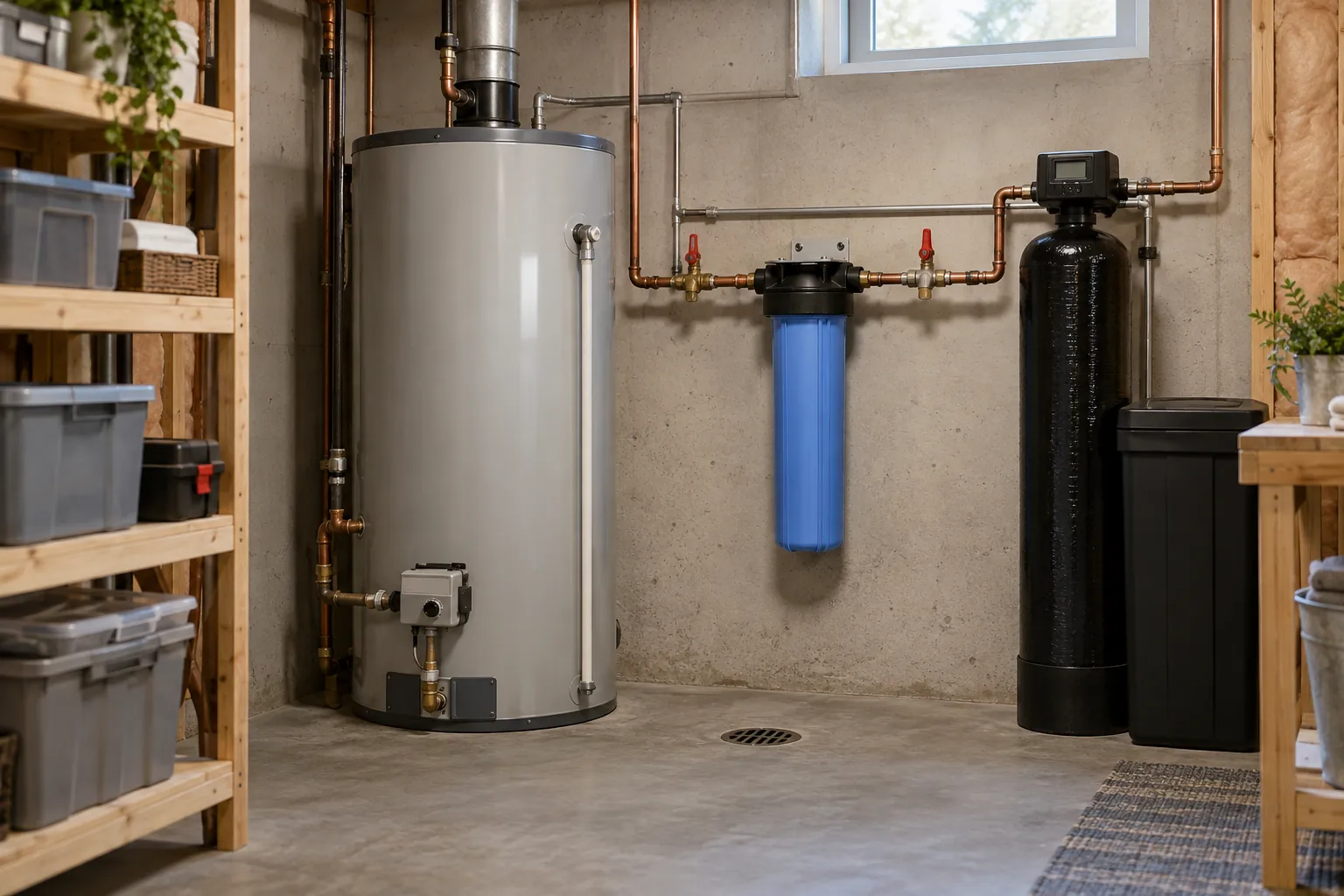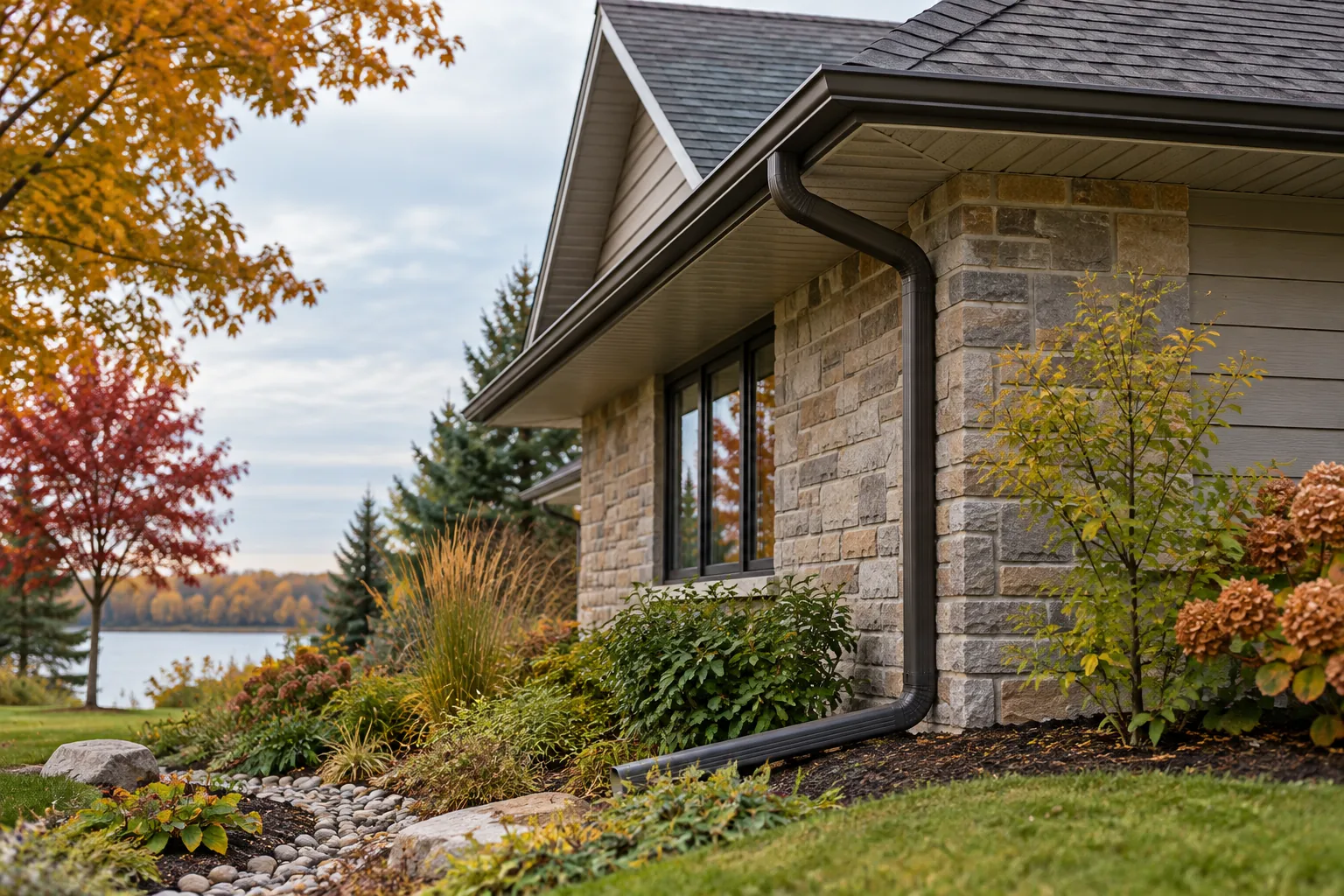
A prevention plan improves the home’s weak points through assessed, coordinated work. Leak detection, sump backup, radon investigation, alarms, and drainage should each answer a specific risk or recurring condition, with routine care continuing through the appropriate Maintaining services.
Start with evidence and history
Record previous leaks, basement water events, drainage patterns, alarm arrangements, and any existing radon results. Note what is known and what has never been assessed. A general walkthrough cannot certify concealed plumbing, electrical systems, environmental conditions, or every part of the building. Health Canada’s healthy-home guidance helps identify questions to bring to the appropriate specialist. The purpose is a prioritized brief, rather than a promise that a group of devices will prevent every problem.
Give each system a defined role
Leak sensors need considered locations, connectivity, alerts, and a response plan. A sump and backup proposal needs assessment of the existing arrangement, power dependencies, discharge, access, and suitable operation checks. Drainage improvements should address the actual route of water and its effect on the building and surroundings. Retain useful existing equipment only after its suitability is assessed. A connected alert is valuable when someone understands what it means and what action to take.
Use the right evidence for hidden conditions
Health Canada recommends long-term radon testing for at least three months; its guideline is 200 Bq/m³. Discuss testing and mitigation with appropriate specialists, including follow-up verification where mitigation is undertaken. Radon cannot be judged by appearance or smell. Smoke and carbon-monoxide alarm planning should follow the selected manufacturer’s instructions and applicable local requirements, with attention to power, interconnection where relevant, and accessible operation. Do not treat one alarm type as protection against every hazard.
Phase by urgency and dependency
Active water entry or another immediate concern should guide the order of assessment. Coordinate drainage, electrical, connectivity, and making-good work before closing affected surfaces. A first phase might investigate recurring basement water and improve a defined weak point, while a radon test establishes evidence for a later decision. Ask providers to explain the limits of the proposed work and the verification that will follow. Avoid purchasing a complete package before the home’s actual needs are understood.
Make the response and care plan usable
At handover, demonstrate alerts, controls, accessible shutoffs, relevant pump operation, and alarm functions within the provider’s scope. Record selected products, settings, testing arrangements, consumables, and care responsibilities. Agree who receives alerts and what the household should do when one occurs. Ask HAUSE to organize the improvement plan and direct ongoing routine inspection, cleaning, or servicing to Maintaining. Prevention is strongest when the building details, equipment, and household response remain connected.
- Collect water history and existing test results.
- Assess drainage and equipment before adding devices.
- Choose appropriate radon testing and follow-up.
- Plan alarm selection and operation against applicable guidance.
- Demonstrate alerts and agree on a response.
- Keep routine-care responsibilities documented.