
The first assessment becomes more useful when the provider can see the lived problem, the existing conditions you safely know, and the decisions you want help making. Preparation should clarify the conversation, without turning the homeowner into an investigator of concealed or hazardous areas.
1. Describe the home and the outcome
Start with your city, property type, approximate age if known, and the rooms or exterior areas involved. Say whether the home is occupied and who uses the space. Explain the daily frustration in concrete terms: the pantry cannot be reached comfortably, the bedroom feels cold at night, or afternoon sun makes the deck unusable. Add the result you hope for and what should remain. A precise address can be supplied directly when a visit is arranged; the initial brief does not need unnecessary personal information to be useful.
2. Collect safe, relevant observations
Take clear photographs from accessible positions and include a wider view that shows the surroundings. Note approximate dimensions, product model numbers visible without opening equipment, and any existing drawings, manuals, or reports. For a recurring symptom, record timing, weather, and operating conditions. Do not remove covers, open electrical panels, disturb suspect materials, climb into unsafe spaces, or dismantle the home to obtain information. Health Canada’s healthy-home guidance helps identify subjects worth raising with the appropriate professional. A statement that a condition is unknown is more useful than a confident guess.
3. Identify constraints and useful assets
List elements you want to retain, such as sound cabinetry, a floor, a window position, or an established garden. Note access limitations, pets, occupied work areas, storage needs, and the times when essential rooms must remain usable. In a condo, collect the current building renovation requirements and any relevant correspondence. For exterior work, explain what is known about boundaries, access, utilities, and drainage without treating a sketch as a survey. These details help the provider assess feasibility and logistics before a product decision becomes difficult to reverse.
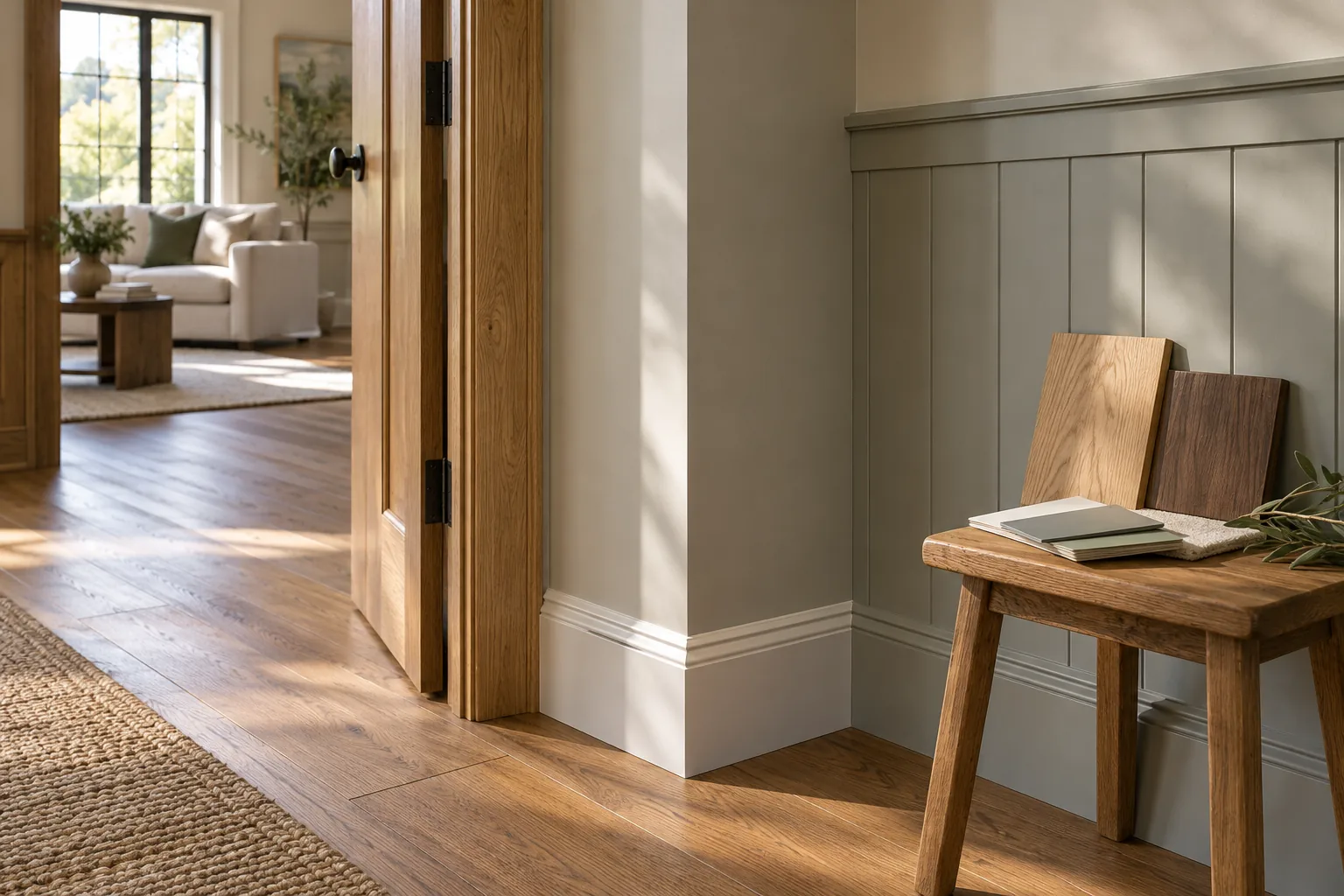
4. Organize choices and uncertainty
Separate settled preferences from open questions. You may know you want better task lighting but be undecided about fixture type. You may want a curbless shower but need an assessment of floor construction and drainage. Share a budget range or ceiling if available and any timing preference, while recognizing that an enquiry does not reserve a date. Ask what further investigation is needed, who would perform it, and what it would establish. Government of Canada renovation guidance supports putting later scope and arrangements in writing rather than relying on an informal impression.
5. Use a concise example brief
A useful kitchen enquiry might read: ‘We have an occupied townhouse in Calgary. The cabinet layout works, but the pantry is difficult to reach and the counter is shadowed in the evening. We hope to retain sound boxes and the current sink position. We would like advice on storage adaptation, fronts, and coordinated task lighting. We have photographs and approximate dimensions; cabinet condition and electrical compatibility still need assessment. Please explain the suitable next step and any assessment fee.’ This gives a provider purpose, retained assets, limits, and questions without pretending the design is finished.
6. Confirm the visit and its deliverable
Ask whether the next step is a phone conversation, paid assessment, design consultation, or quotation visit. Confirm fees, availability, access arrangements, and what you should expect to receive directly with the provider before agreeing. During the visit, work through the priorities and ask the provider to explain assumptions, dependencies, exclusions, and possible findings. Afterwards, keep notes of decisions and unanswered questions. HAUSE can help organize the initial scope and direct complementary installation, removal, renewal, or care needs appropriately. An Upgrading.ca enquiry is a request to discuss work, rather than a booking, purchase, or confirmed quotation.
Your conversation checklist
- State city, property type, occupied status, and the main outcome.
- Collect safe photographs, visible model details, and existing records.
- Name the components you hope to retain.
- Record access, building, timing, and daily-use constraints.
- Separate preferences from questions needing assessment.
- Confirm the next step, fees, and expected deliverable directly.
Questions worth asking
Do I need exact measurements before enquiring?
Approximate dimensions and photographs can help an initial discussion. The responsible provider should confirm the measurements needed for design, ordering, and installation. Do not place a custom order from an unverified homeowner measurement.
What if I do not know the cause of the problem?
Describe the symptom, location, timing, and anything already observed. Ask what assessment is appropriate. You do not need to diagnose the home or disturb materials to make a useful enquiry.
Turn the useful details into a clear brief.
Choose the services you need and bring your priorities, existing conditions and location into one HAUSE enquiry.
Start my project brief ↗