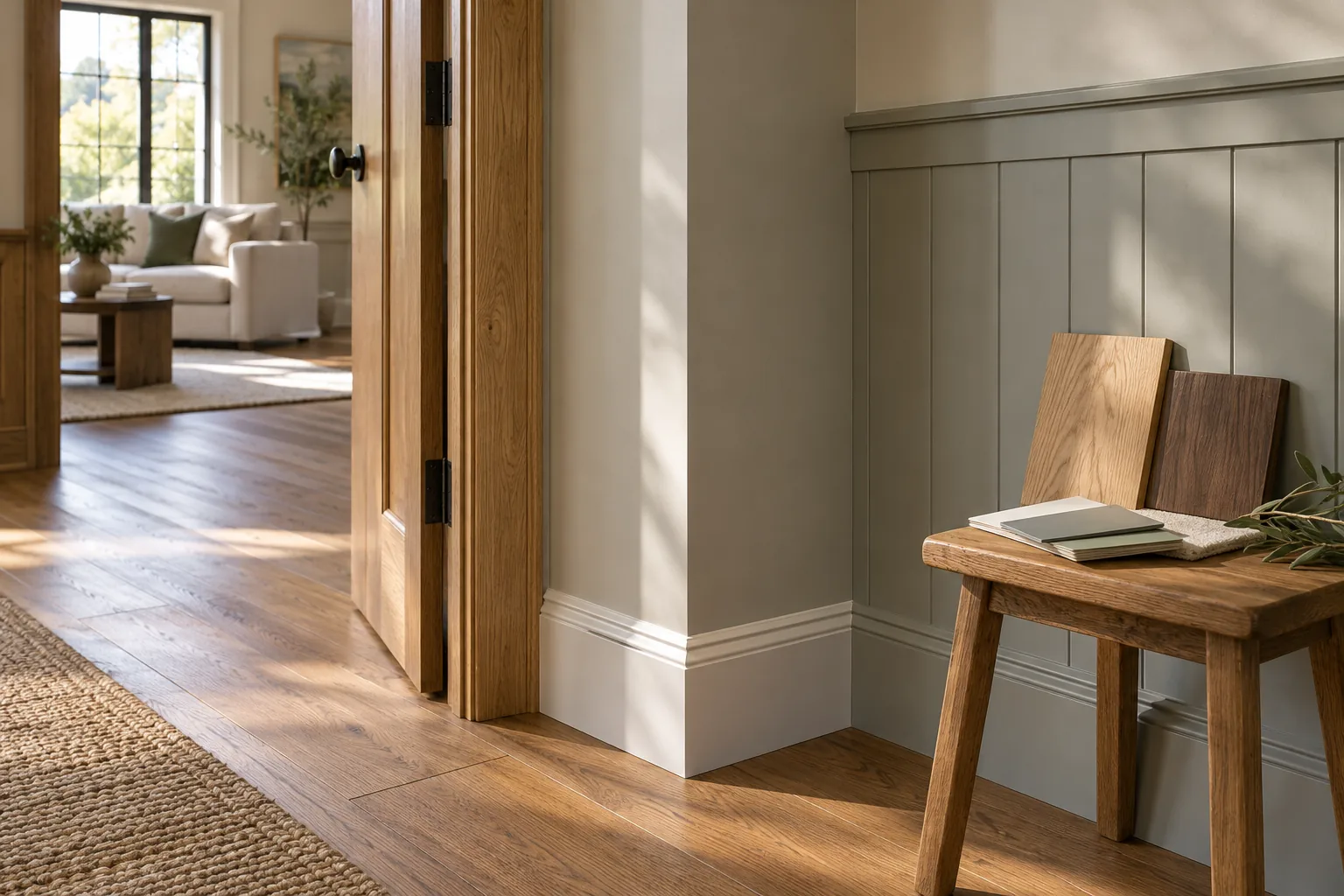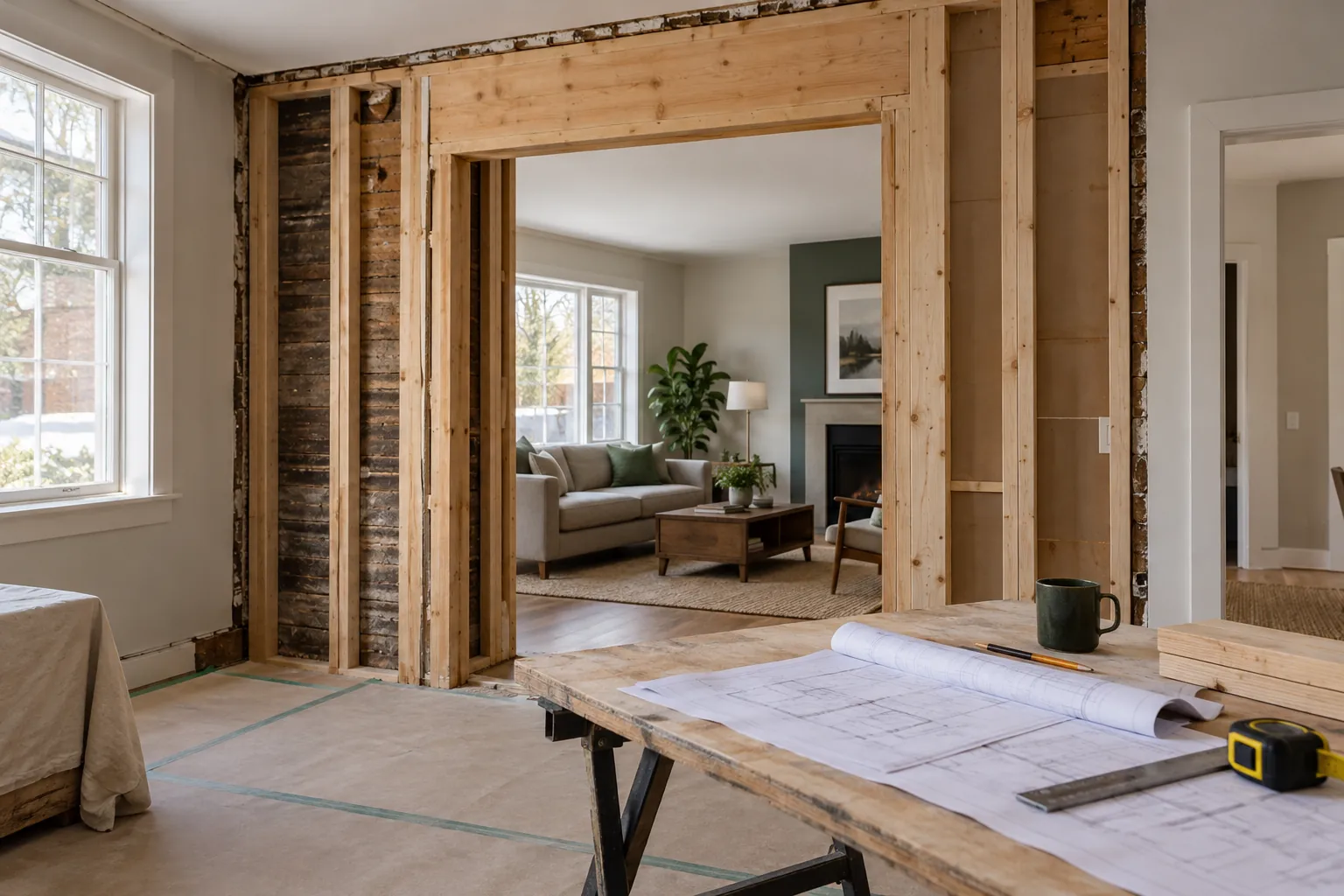
Prioritize an existing home's condition and presentation without assuming that a particular upgrade guarantees a sale-price return.
Assess the existing conditions
Separate defects and unfinished work from cosmetic preferences. Discuss market presentation with an appropriate local adviser, while having technical problems assessed by the relevant specialists.
Choose the complete system
Compare focused repairs, lighting and neutral finishing with larger changes a future buyer may prefer to choose. Keep documentation of work that would otherwise be difficult for a viewer to understand.
Plan the connected work
Define a realistic scope and timing around photography or occupancy. Avoid concealing active moisture or safety concerns behind a fresh surface, and retain invoices, product details and approvals where relevant.
What shapes the scope?
- Condition assessment and identified presentation priorities
- Repair extent versus decorative scope
- Access, timing and protection arrangements
- Documentation and finish consistency
What should be checked?
- Agreed defects and unfinished details are addressed
- Presentation work does not conceal unresolved conditions
- Useful records are retained for future enquiries
Questions worth asking
Which upgrade guarantees the best return?
No universal guarantee applies. Consider condition, local advice and the actual scope rather than an assumed percentage.
Should every room be renovated before selling?
Not necessarily. A focused, documented first phase may be more appropriate than a broad speculative makeover.
Bring the details together.
Add this service to My project. Tell HAUSE what you have, what you want to achieve and where the work is needed. A clearer brief makes it easier to discuss the right assessment, responsible trades and written scope.
Build my project brief ↗