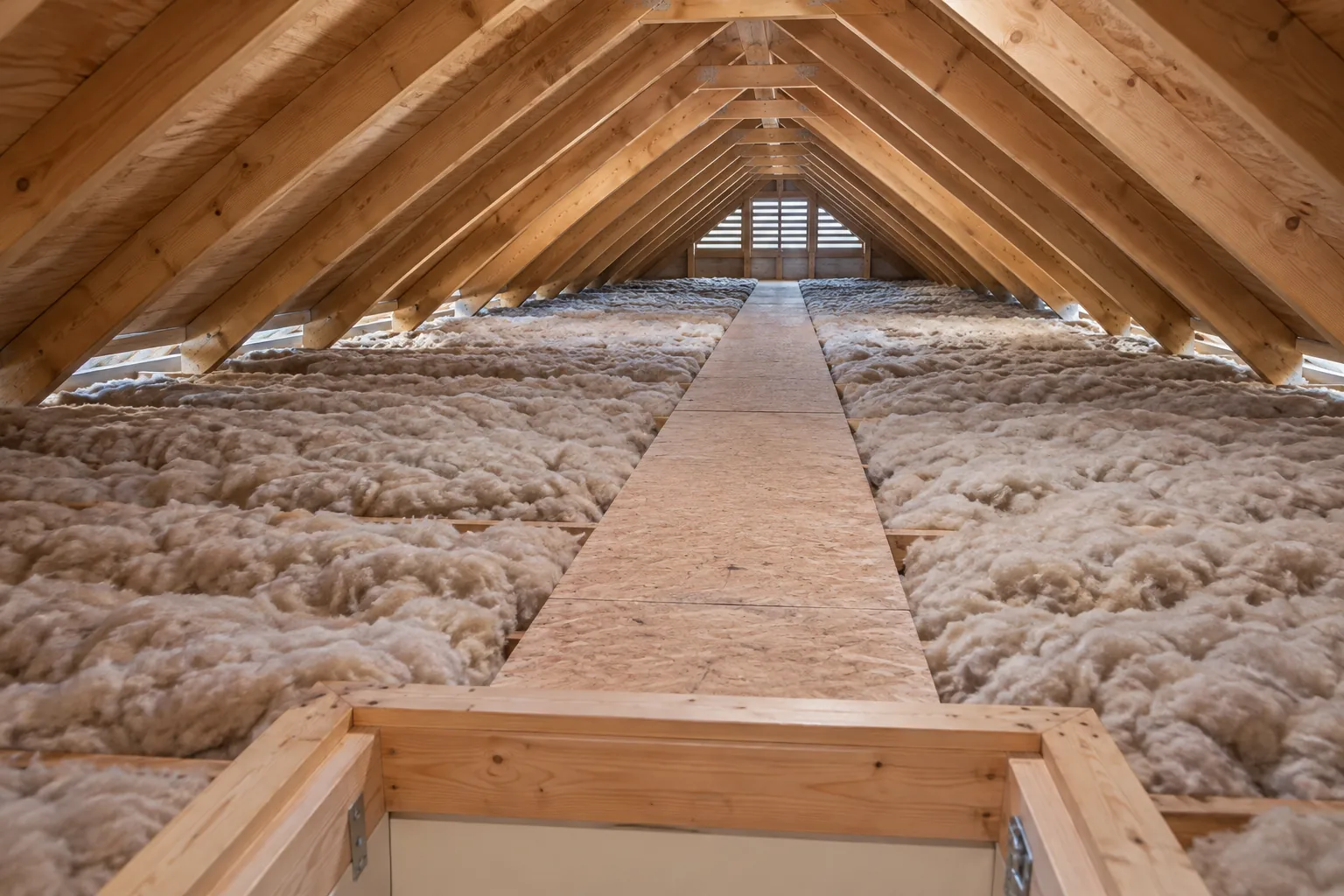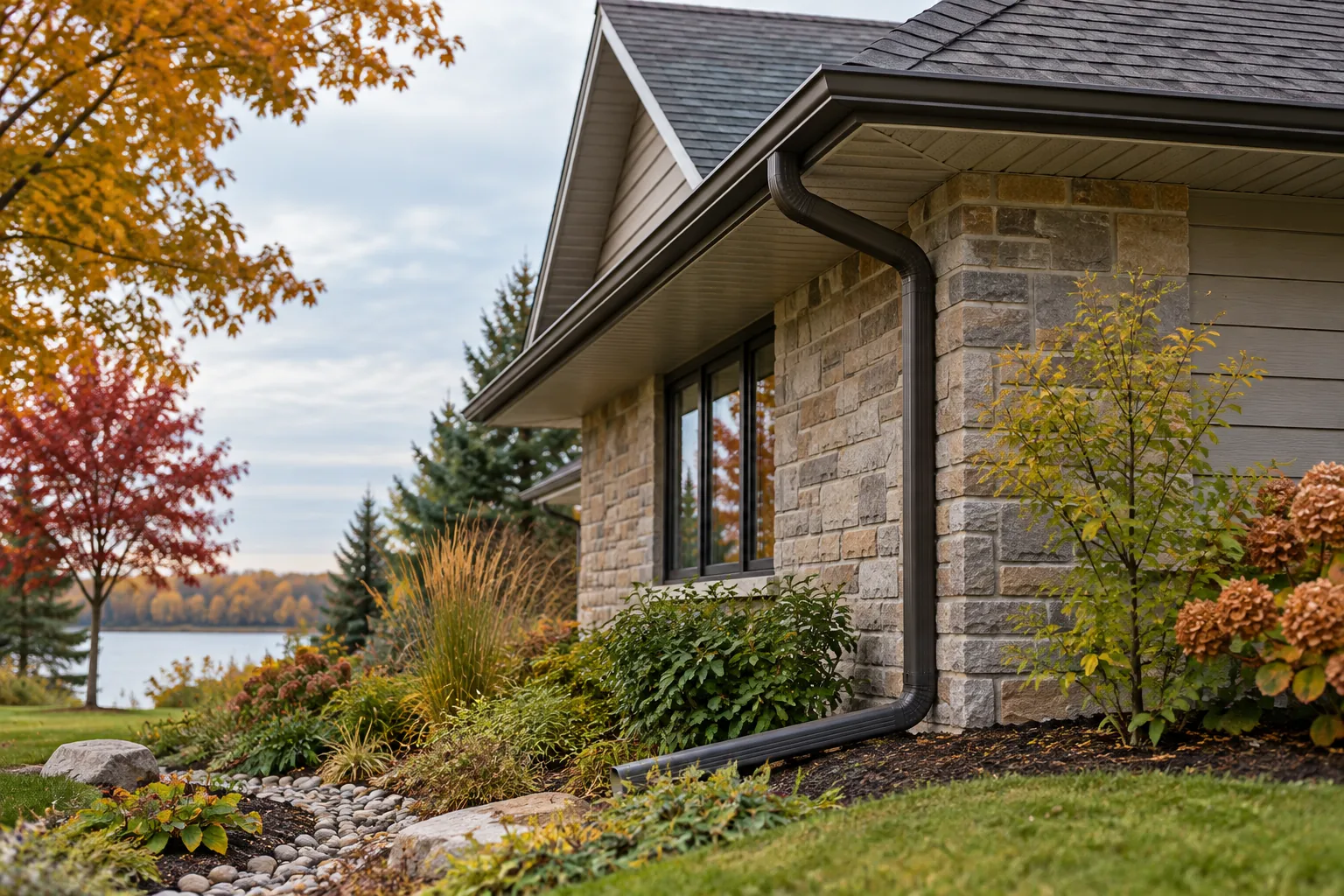
Envelope upgrades can make a familiar room feel steadier and quieter while retaining useful parts of the home. The important question is where air, heat, and water move through the complete assembly, rather than which visible component looks oldest.
Find the mechanism
A draught can come from an operable sash, the frame perimeter, or an adjacent wall connection. Condensation also needs context: indoor humidity, outdoor temperature, ventilation, and surface temperature all matter. Record the weather and location of symptoms. A provider should distinguish a repairable gap or detail from a component that needs renewal.
Protect water management
Window surrounds, doors, cladding, roof edges, and insulation are connected to drainage paths. New trim should not obstruct an intended outlet or hide deteriorated materials. Natural Resources Canada’s guidance describes the relationship between air sealing, insulation, and moisture. The right detail depends on the existing construction and the selected product’s instructions.
Consider the room beyond the opening
Better glazing alone may not resolve a room affected by solar exposure, poor air distribution, or limited ventilation. Consider shading, accessible operation, furnishings, and how an opening will be used. An upgrade brief should define the desired improvement, such as less draught at a reading chair, rather than treating every opening as interchangeable.
Sequence the concealed work first
Assess surrounding materials before committing to decorative finishes. Agree on protection, access, making good, and how concealed deterioration will be handled if found. HAUSE can help separate performance improvements retained within Upgrading from straightforward worn-component renewal through Replacing, while keeping the whole envelope detail and finished appearance in view.
Details to bring into the conversation
- Recurring water staining needs diagnosis before cosmetic work.
- Air sealing and ventilation should be considered together.
- Product selection does not replace an assessment of the surrounding assembly.