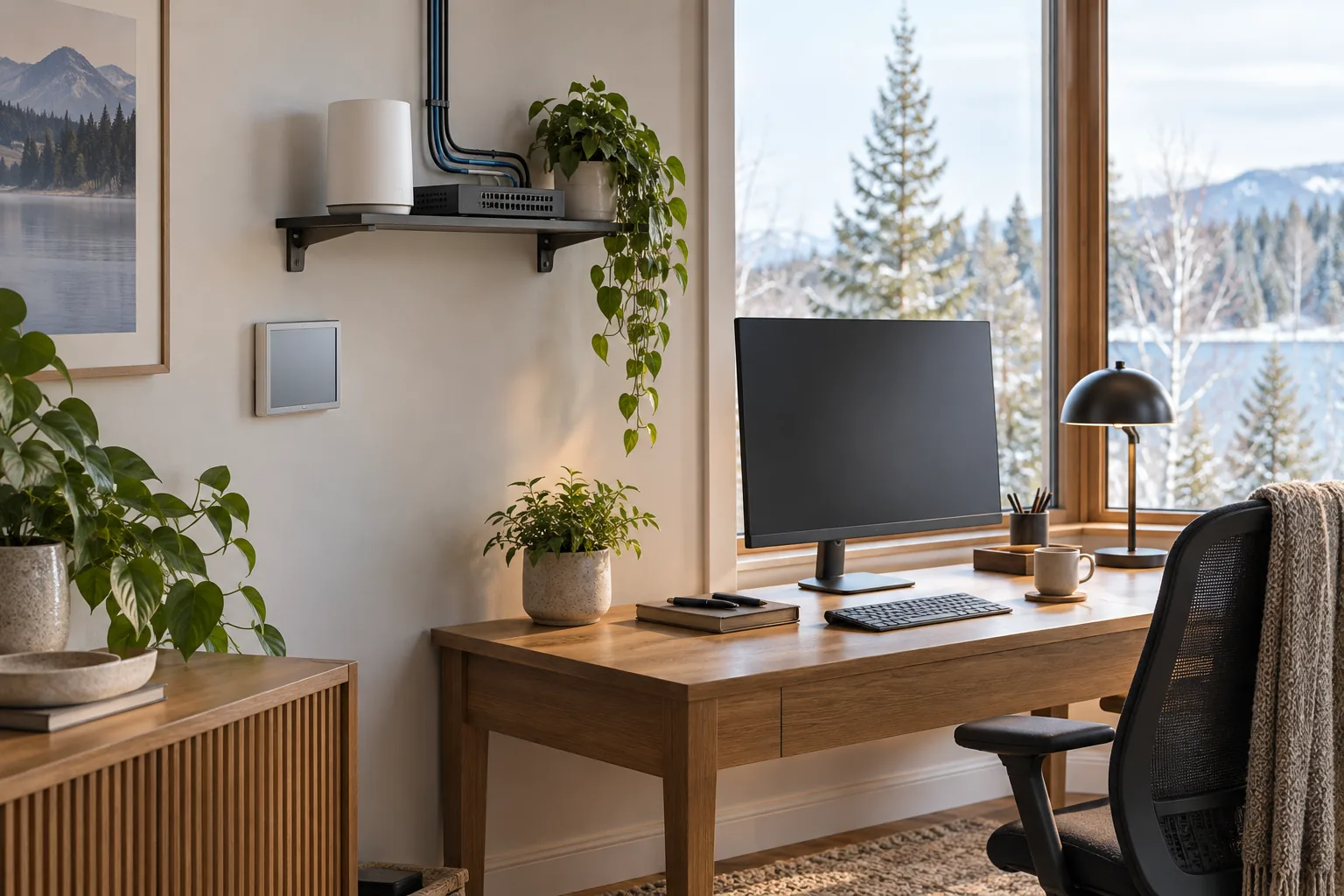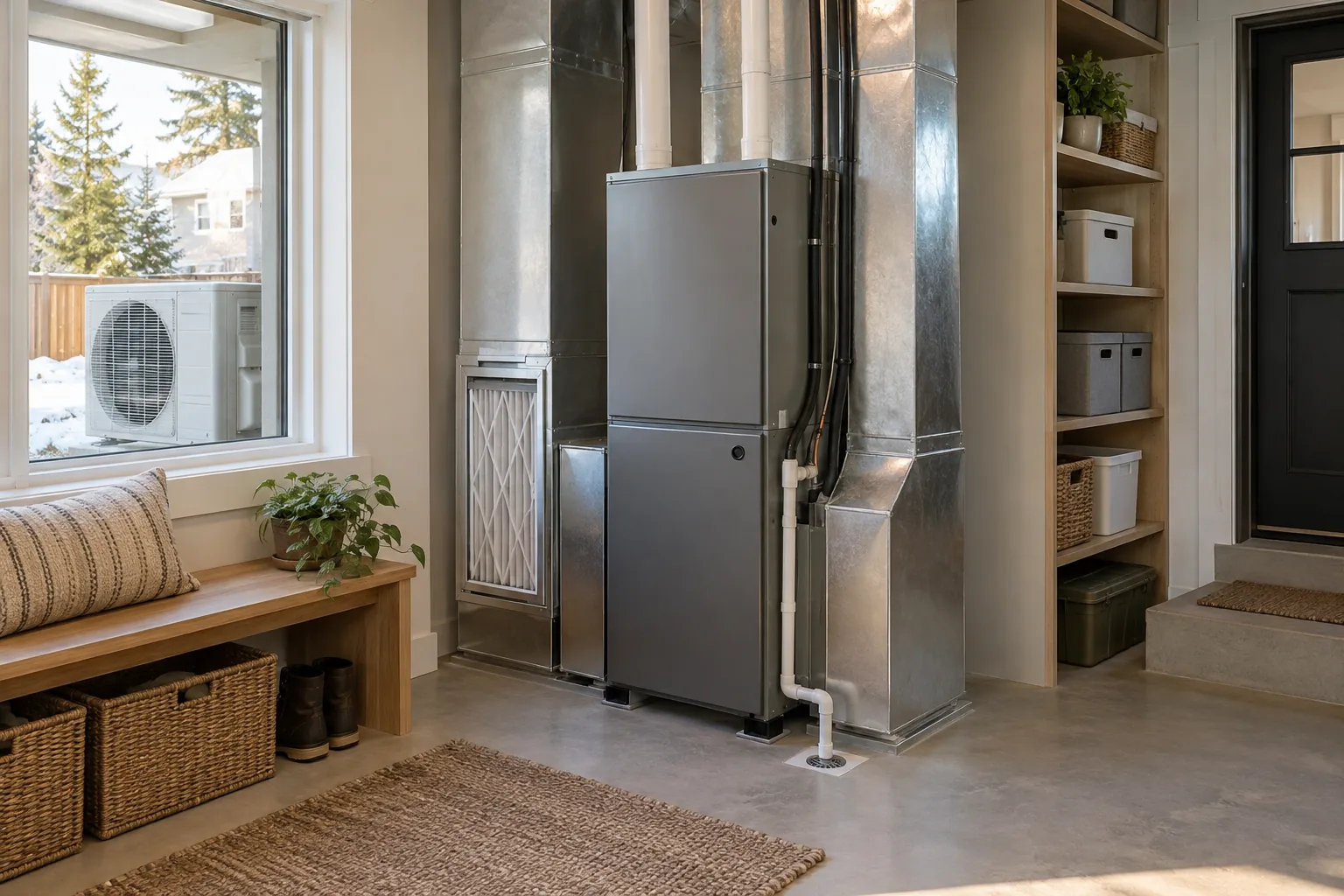
Turn existing household system data into understandable information with monitoring selected for a practical decision or alert.
Assess the existing conditions
Define what the household wants to learn: unusual water use, electrical demand or equipment patterns. Check the existing system and available interfaces before buying devices solely for an attractive dashboard.
Choose the complete system
Compare measurement scope, update frequency and local versus cloud access. Monitoring does not automatically provide control or prevent a failure; distinguish information from automatic action.
Plan the connected work
Have plumbing or electrical interfaces assessed by the appropriate professional. Demonstrate relevant reports and alerts, transfer account ownership and document any ongoing subscription or connectivity dependency.
What shapes the scope?
- Measurement objective and existing system compatibility
- Sensor locations and connected trade work
- Network, account and subscription requirements
- Configuration and useful reporting demonstrations
What should be checked?
- Displayed measurements match the agreed scope
- Alerts and permissions are demonstrated
- Limitations and owner access are documented
Questions worth asking
Will a monitor identify every appliance precisely?
Not necessarily. Capabilities and interpretation vary; ask which information is measured directly and which is estimated.
Can monitoring guarantee lower bills?
No. It can inform decisions, but savings depend on the actions taken and the household's actual use.
Bring the details together.
Add this service to My project. Tell HAUSE what you have, what you want to achieve and where the work is needed. A clearer brief makes it easier to discuss the right assessment, responsible trades and written scope.
Build my project brief ↗