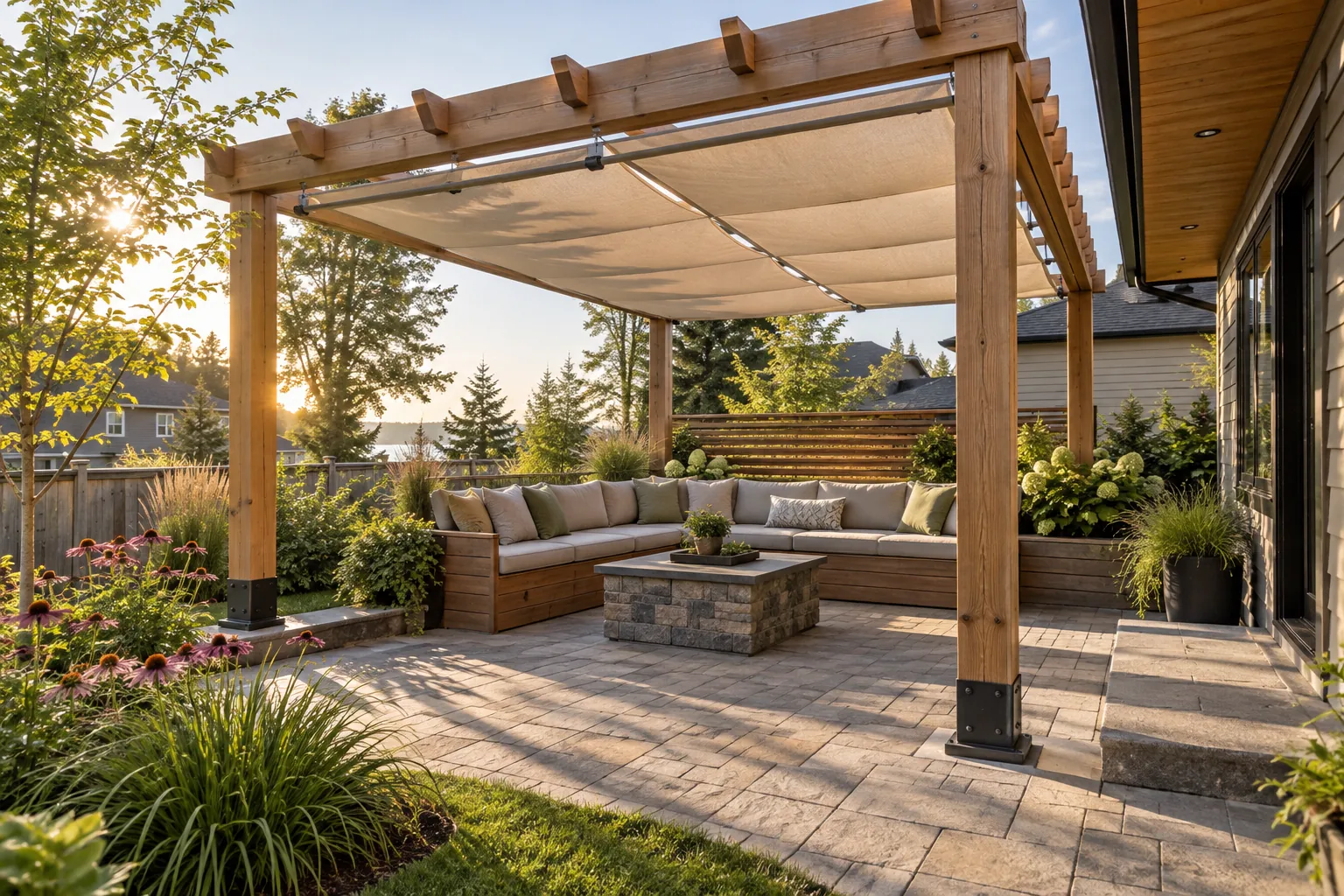
Improve an existing garden's watering control with zones that reflect plant needs, exposure and the available supply.
Assess the existing conditions
Map the current system, dry or oversaturated areas and any changes to planting. Check supply arrangements and local requirements with the appropriate provider before assuming a larger system can use the same connection.
Choose the complete system
Compare drip and spray delivery for the specific beds or lawn, including wind and sun exposure. Place controls and isolation where they remain accessible, and discuss required backflow protection with the plumbing specialist.
Plan the connected work
Coordinate routes with other garden work and utility locating. Include commissioning, settings, seasonal shutdown and a simple zone plan so the household understands what is being watered.
What shapes the scope?
- Existing system condition and number of revised zones
- Supply capacity, protection and connection work
- Planting layout, delivery method and trench access
- Controls, commissioning and seasonal care arrangements
What should be checked?
- Zones operate without obvious overspray onto buildings or paths
- Controls and isolation points are demonstrated
- Zone map and seasonal instructions are supplied
Questions worth asking
Will smart controls suit every garden?
They can support scheduling, but plant selection, delivery layout and actual soil conditions still determine a useful watering plan.
Can irrigation solve poor drainage?
No. Persistent wet ground needs its cause assessed; adding water or changing a timer is not a drainage remedy.
Bring the details together.
Add this service to My project. Tell HAUSE what you have, what you want to achieve and where the work is needed. A clearer brief makes it easier to discuss the right assessment, responsible trades and written scope.
Build my project brief ↗